Annual Conference · Growing CS Across Kansas
CS4KS 2026 - Nov. 14th
K-State's Advancing Learning & Teaching in Computer Science (ALT+CS) Lab is proud to host the 4th Computer Science Education for Kansas (CS4KS) conference.
CS4KS brings together educators, administrators, researchers, students, and industry professionals to learn from one another, share innovative ideas, discover new classroom resources, and build meaningful partnerships. Whether you are new to teaching computer science or have years of experience, join us for hands-on workshops, educator-led talks, and time to connect with colleagues across Kansas.
Date
Saturday, November 14, 2026
Time
8:30am check-in
9:30am - 5:00pm conference
Location
Engineering Hall, DUE 1116 & 1118
1701 Platt St, Manhattan, KS 66506
Registration
Register Now** Cyber Pipeline grant participants should use the registration link provided by email to register at no cost.
Schedule at a Glance
| Time | Session | Presenter(s) | Room |
|---|---|---|---|
| 8:30–9:30 | Registration, Breakfast & Networking | ||
| 9:30–9:40 | Opening Ceremony: Welcome & Remarks | Daniel Andresen, David Allen & Nathan Bean | DUE 1116 |
| 9:40–10:00 | Keynote: Love, Learning, and Computing Education (Recorded) | Amy J. Ko | DUE 1116 |
| 10:00–10:40 | I Want to Teach Cybersecurity... Now What? A Roadmap for Any Teacher, Any School | Jessica Tickle | DUE 1116 |
| 10:40–10:55 | CSTA Rural Educators Community (Recorded) | Henry Ramirez | DUE 1116 |
| 10:55–11:35 | RECAP Your Thinking: Meaningful Review for Coding | Jeff Yearout | DUE 1116 |
| 11:35–12:15 | Panel: Challenges and Opportunities in K–12 CS Education | Panelists TBA | DUE 1116 |
| 12:15–1:15 | Lunch, Networking & Group Photo | Upper Atrium | |
| 1:15–2:45 | Workshop 1 Project-Based Learning in Computer Science | Josh Weese & Russell Feldhausen | DUE 1116 |
| Workshop 2 From AI Learners to AI Teachers: Making Machine Learning Accessible | Safia Malallah & Lior Shamir | DUE 1118 | |
| 2:45–2:55 | Afternoon Break | ||
| 2:55–4:25 | Workshop 3 Smart Farm Kit: Coding, Electronics, and Automation | Darius Everett & Mirit Shamir | DUE 1116 |
| Workshop 4 Computational Thinking Across Subject Areas | David Allen & Nathan Bean | DUE 1118 | |
| 4:25–4:45 | Sharing Time: Teacher Innovation Showcase & Sharing | TBA | DUE 1116 |
| 4:45–5:00 | Closing Remarks, Certificates & Next Steps | Josh Weese & Russell Feldhausen | DUE 1116 |
Session descriptions are below. Download the full program (PDF)
Resources
Conference Materials
- Conference ProgramPDF · 7 MB
Full program with schedule, session details, logistics, and speaker bios.
- Engineering Hall MapPNG
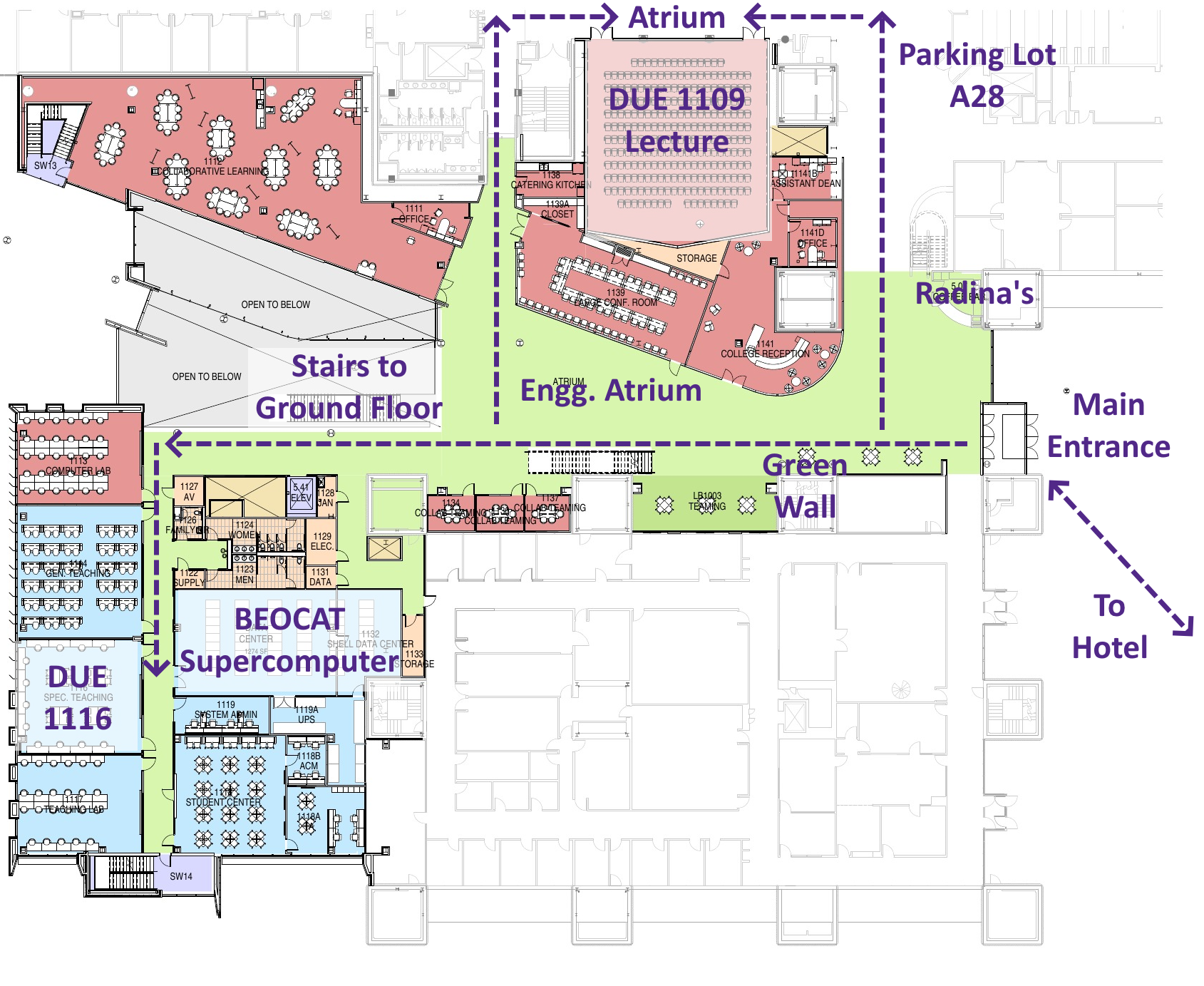
Main floor map showing DUE 1116, DUE 1118, the atrium, and the main entrance.
Cyber Pipeline Stipend
- Secure File UploadWebsite
Upload your signed W-9 before the conference, or bring a printed copy with you.
Opening Ceremony: Welcome & Remarks
9:30–9:40 · Opening Ceremony · DUE 1116 · Daniel Andresen, David Allen & Nathan Bean
Welcome remarks, conference announcements, an overview of the Cyber Pipeline program, and important information.
Keynote: Love, Learning, and Computing Education
9:40–10:00 · Keynote · DUE 1116 · Amy J. Ko
Explores how love can serve as a guiding principle in computing education. In a time of increasing division and uncertainty, this keynote examines how compassion, empathy, and care can shape the way we teach, conduct research, design technology, and build learning communities. Through personal experiences and examples from the computing education community, the session offers a vision for creating more inclusive, supportive, and human-centered learning environments.
I Want to Teach Cybersecurity... Now What? A Roadmap for Any Teacher, Any School
10:00–10:40 · Talk · DUE 1116 · Jessica Tickle
Interested in teaching cybersecurity but not sure where to begin? You're not alone. Join this interactive session as we explore what it really looks like to bring cybersecurity into the classroom, without needing to be a cybersecurity expert. I'll share ideas, activities, resources, lessons learned (including a few mistakes), and practical ways to spark student interest while building your own confidence along the way.
CSTA Rural Educators Community
10:40–10:55 · Video · DUE 1116 · Henry Ramirez
A special prerecorded presentation introducing the CSTA Rural Educators Community, a newly established Affinity/Interest Group within CSTA. Henry will share the community's vision, upcoming plans, and efforts to address the unique needs and challenges of rural educators. The presentation will highlight opportunities for collaboration, resource sharing, and building a supportive network to better serve students, families, and rural communities.
RECAP Your Thinking: Meaningful Review for Coding
10:55–11:35 · Talk · DUE 1116 · Jeff Yearout
This session introduces RECAP, a structured approach that transforms code review from simply identifying mistakes into an opportunity for deeper learning. Through practical Python examples, participants will explore how students can reflect on their thinking, understand programming concepts, evaluate their work, and preserve valuable lessons for future use. The session will also demonstrate how RECAP can be adapted to other subjects, including math, science, writing, and history. Participants will leave with practical strategies, reflection prompts, and a reusable student review template to help students strengthen their understanding and retain what they learn.
Panel: Challenges and Opportunities in K–12 CS Education
11:35–12:15 · Panel · DUE 1116 · Panelists TBA
Details coming soon.
Group Photo
12:15–12:25 · Group Photo · Upper Atrium
Gather with fellow conference attendees for the official conference group photo. Participants are encouraged to wear their conference T-shirt, if available, and meet at the designated photo location before the scheduled start time.
Lunch & Networking
12:15–1:15 · Lunch, Networking · Upper Atrium
Enjoy lunch, connect with fellow attendees, and participate in fun, interactive games. Share ideas, build connections, and explore opportunities for collaboration.
Workshop 1: Project-Based Learning in Computer Science
1:15–2:45 · Workshop · DUE 1116 · Josh Weese & Russell Feldhausen
Details coming soon.
Workshop 2: From AI Learners to AI Teachers: Making Machine Learning Accessible
1:15–2:45 · Workshop · DUE 1118 · Safia Malallah & Lior Shamir
Explore how to bring AI and machine learning into K–12 classrooms through practical teaching strategies, AI pedagogy, and responsible AI policies. Participants will discover hands-on AI lessons, classroom activities, and resources to confidently introduce AI concepts to their students.
Workshop 3: Smart Farm Kit: Coding, Electronics, and Automation
2:55–4:25 · Workshop · DUE 1116 · Darius Everett & Mirit Shamir
This interactive workshop prepares educators to introduce middle and high school students to smart farming and the Internet of Things. Educators will explore the Keyestudio KS0567 Smart Farm Kit and learn to program its ESP32 controller using KidsBlock. Participants will be able to present these engaging programming, engineering, and agriculture activities in their own classrooms.
Workshop 4: Computational Thinking Across Subject Areas
2:55–4:25 · Workshop · DUE 1118 · David Allen & Nathan Bean
Details coming soon.
Sharing Time: Teacher Innovation Showcase & Sharing
4:25–4:45 · Networking Session · DUE 1116 · TBA
An interactive session where educators share creative teaching ideas, innovative classroom practices, and successful activities. Participants will exchange experiences, showcase their work, and discover new strategies to inspire learning and collaboration.
Closing Remarks, Certificates & Next Steps
4:45–5:00 · Closing Ceremony · DUE 1116 · Josh Weese & Russell Feldhausen
Celebrate the day's achievements, recognize participants with certificates, and reflect on key takeaways. Explore future opportunities, resources, and ways to stay connected and continue collaborating beyond the conference.
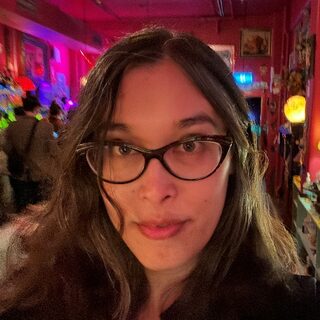
Amy J. Ko
Professor and Associate Dean for Academics, Information School, University of Washington
Dr. Amy J. Ko is a Professor and Associate Dean for Academics at the University of Washington Information School, with a courtesy appointment in Computer Science and Engineering. Her research focuses on equitable and liberatory approaches to computing and information education in schools and beyond. Drawing from human-computer interaction, computing education, learning sciences, behavioral sciences, sociology, software engineering, and programming languages, she explores how to create more inclusive and accessible learning experiences. Her interdisciplinary work aims to advance educational equity and empower diverse learners to engage meaningfully with computing and technology.
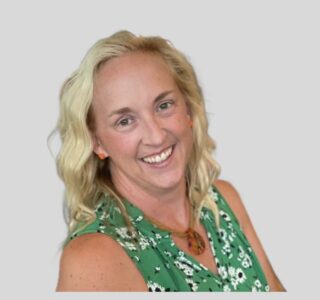
Jessica Tickle
Engineering and Cybersecurity Instructor, Shawnee Mission School District
Jessica Tickle is an Engineering and Cybersecurity Instructor at the Shawnee Mission School District's Center for Academic Achievement, where she has developed a nationally recognized cybersecurity program emphasizing hands-on learning, competitions, certifications, and industry partnerships. She is the recipient of the 2024 Presidential Cybersecurity Education Award and has contributed to Project Lead The Way (PLTW) and College Board AP Cybersecurity initiatives. Jessica is passionate about making cybersecurity education engaging, accessible, and meaningful. She enjoys equipping educators with practical classroom strategies that inspire curiosity, build student confidence, and prepare the next generation of cybersecurity professionals.
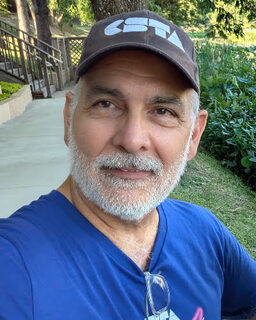
Henry Ramirez
Central Region Chapter Support Coordinator, Computer Science Teachers Association (CSTA)
Henry Ramirez is the Central Region Chapter Support Coordinator for the Computer Science Teachers Association (CSTA), currently serving in his fourth year in this role. He is a retired educator with 30 years of teaching experience, including nine years in Bilingual/ESL education, 17 years as an Instructional Technology Specialist, and four years teaching middle school computer science. Based in Houston, Texas, Henry brings extensive experience in educational technology, computer science education, and supporting educators. He is passionate about strengthening rural education communities and expanding opportunities for computer science teachers and students.
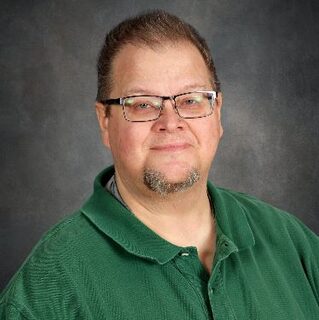
Jeff Yearout
Educator and Technology Teacher
Jeff Yearout is a dedicated educator and technology teacher with over thirty years of experience in education. He holds degrees from Wichita State University, the University of South Florida, and Pittsburg State University, along with additional graduate coursework at Kansas State University. Since 2016, Jeff has served as the computer science teacher at Derby High School. In August 2025, he began a new role as the Lead IT Teacher for Wichita Public Schools, based at the Future Ready Center on the campus of WSU Tech – South. Jeff is an active member of CSTA and CSTA Kansas, and currently serves as a training facilitator for Code.org's CS Discoveries curriculum. From 2013 to 2023, he was a PLTW Master Teacher and Core Training Instructor. He is also a longtime presenter at the MACE Conference at Kansas State University and regularly attends computer science education conferences at both regional and national levels. Outside the classroom, Jeff enjoys golf, traveling with his family, and pursuing his lifelong passion for music. He is an active performer with the Delano Jazz Orchestra in Wichita, Kansas.
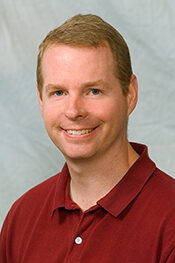
Dr. Daniel Andresen
Professor and Department Head, Computer Science, Kansas State University
Dr. Daniel Andresen is the newly appointed Department Head and a Professor of Computer Science at Kansas State University. He holds a Ph.D. in Computer Science from UC Santa Barbara and has served on the K-State faculty since 1997. As director of the Institute for Computational Research, his work spans distributed systems, high performance computing, and interdisciplinary collaboration across agriculture, engineering, and the sciences. A recipient of the NSF CAREER award, Dr. Andresen has led over 20 major grants and continues to advance research and education in computing at both state and national levels.
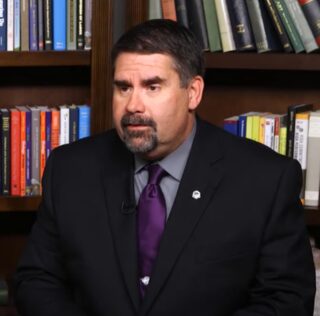
Dr. David S. Allen
Associate Professor, Curriculum and Instruction, and Director, Center for STEAM Education, Kansas State University
Dr. Allen is an Associate Professor and Director of the Center for STEAM Education at Kansas State University. A mathematics educator by training, he has shifted his focus to computer science education, developing several graduate and undergraduate courses on the subject. His research centers on delivering high-quality professional development in math and science education, with a particular interest in the integration of technology in teaching and learning. Dr. Allen primarily teaches graduate-level mathematics education courses.
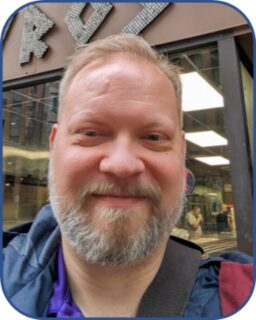
Dr. Nathan Bean
Teaching Assistant Professor, Computer Science, Kansas State University
Dr. Nathan Bean is a Teaching Assistant Professor and Richard B. and Mary Jo Myers Cornerstone Teaching Scholar at Kansas State University. He holds a Ph.D. in Curriculum and Instruction with a focus on Computer Science Education. With a background in both software development and education, Dr. Bean co-directs the ALT+CS Lab where his research explores the use of simulations, games, and innovative pedagogy in computing education. He is also actively involved in teacher preparation and curriculum development to support K–12 computer science education.
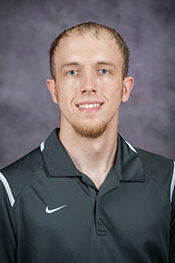
Dr. Josh Weese
Teaching Assistant Professor, Computer Science, Kansas State University
Dr. Josh Weese is a Teaching Assistant Professor in the Department of Computer Science at Kansas State University and a Kevin and Jacquie Elmore – Carl and Mary Ice Cornerstone Teaching Scholar. He holds a Ph.D. in Computer Science from K-State, with expertise in computer science education, data science, and K–12 STEM outreach. His work focuses on curriculum development, computational thinking, and assessment design for K–12 learners. Dr. Weese has led numerous outreach initiatives impacting thousands of students and currently mentors both the ACM student chapter and Diversity in Computing group at K-State.
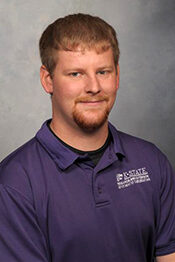
Russell Feldhausen
Instructor, Computer Science, Kansas State University
Russell Feldhausen is an instructor in the Department of Computer Science at Kansas State University and a Kevin and Jacquie Elmore Cornerstone Teaching Scholar. He holds both a B.S. and M.S. in Computer Science from K-State and is currently pursuing a Ph.D. with a focus on computer science education. His work centers on curriculum development for online and hybrid programs, and his research has been published in top CS education venues. Russell is also deeply involved in outreach, supporting STEM education through programs like 4-H Discovery Days and KAWSE GROW.

Dr. Safia Malallah
Teaching Assistant Professor, Computer Science, Kansas State University
Dr. Safia Malallah is a teaching assistant professor at Kansas State University, where she completed her Ph.D. in Computer Science. Her research is dedicated to advancing computer science and data science education across the PreK-12 and undergraduate levels. Dr. Malallah is particularly passionate about designing innovative and accessible learning experiences that cultivate essential computational skills in students.
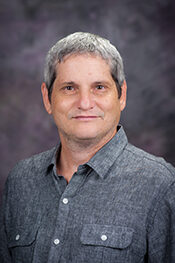
Dr. Lior Shamir
Professor, Computer Science, Kansas State University
Dr. Lior Shamir is a Professor of Computer Science at Kansas State University. He holds a Ph.D. in Computational Science and Engineering from Michigan Technological University, and has a background in both academia and industry, including postdoctoral work at the NIH and experience as a CTO. His research in data science spans machine learning, computational statistics, and interdisciplinary applications, from astronomy and medicine to art and psychology. Dr. Shamir has authored nearly 150 peer-reviewed publications and serves on the steering committee of the Midwest Big Data Hub.

Darius Everett
Project Coordinator / Research Assistant, Department of Engineering Technology, Langston University
Darius Everett is a Project Coordinator and Research Assistant in the Department of Engineering Technology at Langston University. He supports research initiatives, contributes to technical projects, and is passionate about advancing innovative engineering solutions. Through his work, he develops practical research skills while collaborating with faculty, staff, students, and fellow researchers to support engineering research and innovation.
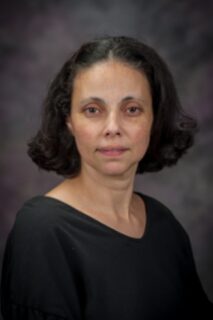
Mirit Shamir
Project Manager, MICRA Project, Kansas State University
Mirit Shamir is the Project Manager for the MICRA project in the Alan Levin Department of Mechanical and Nuclear Engineering at Kansas State University. She is currently pursuing a doctorate in Leadership Communication and holds an M.S. in Environmental Policy from Michigan Technological University, where she was an IGERT scholar. She also has a background in law, holding an LL.M. degree. Her interdisciplinary background brings together leadership, environmental policy, legal studies, and project management.
Location: The conference will be held at the Carl R. Ice College of Engineering at Kansas State University, located at 1701 Platt St, Manhattan, KS 66506. For directions, please visit the Interactive Campus Map.
Rooms: Sessions are in DUE 1116 and DUE 1118 in Engineering Hall (DUE). Lunch and the group photo are in the Upper Atrium. Watch the video guide to help locate the labs, and please arrive a few minutes early to find your room.
Parking: Since the conference is on a Saturday, parking is free in the K-State Parking Garage and at campus meters. Meter enforcement is Monday through Friday, 7am to midnight; see K-State Parking Services for details. Street parking is also available near campus.
Hotels: Attendees who wish to stay overnight are welcome to arrange their own accommodations; the conference does not provide hotel reservations or room blocks. The following hotels are within walking distance of campus:
- Holiday Inn Manhattan at the Campus · 1641 Anderson Ave., Manhattan, KS · (785) 539-7531
- Bluemont Hotel · 1212 Bluemont Ave., Manhattan, KS · (785) 473-7091
- Courtyard by Marriott Manhattan Aggieville · 715 N. 12th St., Manhattan, KS · (785) 587-1972
Hotel rates and availability may vary. Eligible Cyber Pipeline participants receive a $225 stipend, which may be used toward travel and lodging.
- Breakfast: A full breakfast will be provided for all conference attendees.
- Coffee & Snacks: Light snacks, coffee, and refreshments will be available throughout the conference.
- Lunch: A full lunch will be provided during the lunch and networking session.
- Dietary Restrictions: Please indicate any dietary restrictions or food allergies when registering.
- Dinner: On your own. Local recommendations include Baan Thai (Thai), Nico's Little Italy (Italian), Green Tea Sushi (Japanese), Ana's Burger Shack (American), Taco Lucha (Mexican).
Stipends: Stipends are available only for Cyber Pipeline PACK grant participants. Current Cyber Pipeline participants will receive a $225 stipend for attending the conference, regardless of overnight accommodation needs. Attendance will be tracked throughout the conference to verify participation hours, and stipend payments will be processed after the conference once all required documentation has been submitted.
- Complete and sign the W-9 form. Only page 1 is needed, and it must be signed.
- Upload your signed W-9 through the secure file upload site before the conference, or bring a printed copy with you.
- Speakers and panelists can also complete this at the registration table, where assistance will be available.
Professional Development Points (PDPs): To be eligible for PDPs, educators must attend at least one workshop session during the conference. Attendance will be recorded, and qualifying participants will receive a Certificate of Attendance and the conference program. You may submit these documents to your school district for PDP approval, as each district has its own process. For questions about PDPs, contact Dr. Safia Malallah at safia@ksu.edu.
Registration is now open. Please use the registration link to reserve your place at CS4KS 2026.
Cyber Pipeline grant participants can register for the conference at no cost. Please use the registration link provided by email. If you have any questions or need assistance with registration, please contact us at cyberpipeline@ksu.edu.
ALT+CS Lab
The Advancing Learning & Teaching in Computer Science Lab advances computer science education through research, curriculum development, educator preparation, and community engagement, including the Cyber Pipeline program.
K-State Center for STEAM Education
Connects K-State expertise with schools, educators, and communities to expand interdisciplinary learning across science, technology, engineering, arts, and mathematics.
Rural Education Center
Strengthens education in rural communities, helping ensure access to computer science, AI, and cybersecurity education doesn't depend on a student's ZIP code.
D³ Playground Lab
A space for educators to explore, test, and imagine how emerging technologies can be used meaningfully in their classrooms.
Organizing Committee: Nathan Bean, Russell Feldhausen, Josh Weese, David Allen, and Safia Malallah.
Interested in joining the organizing team or sponsoring CS4KS 2027? Contact us at altcslab@ksu.edu.